Willow: The Elegant Handwritten Font for Modern Designs
When you're searching for a font that feels both personal and polished, Willow often emerges as a standout choice. This isn't another generic script font; it's a carefully crafted typeface with a distinct personality. As a premium font, Willow offers the kind of refined detail that separates amateur projects from professional work. Its characters flow with a natural, rhythmic elegance, making it far more than just a decorative element—it's a tool for building connection.
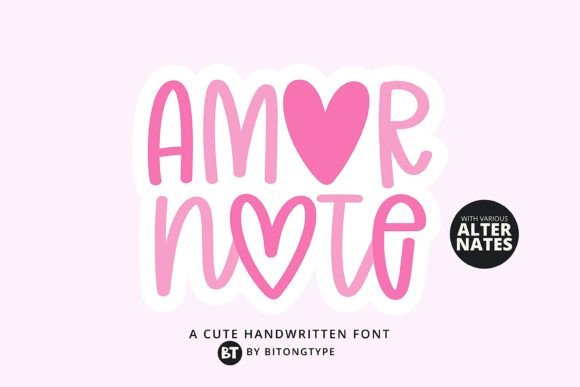
At its core, Willow is a handwritten font, but it avoids the common pitfalls of many script typefaces. Where some handwritten fonts can feel messy or overly casual, Willow maintains a beautiful balance. Each letter is designed with well-proportioned curves and consistent stroke weights, ensuring it remains legible even at smaller sizes. This balance is crucial for modern typography, where clarity and aesthetic appeal must coexist. The result is a font that feels authentically human yet impeccably professional.
The Visual Character of Willow
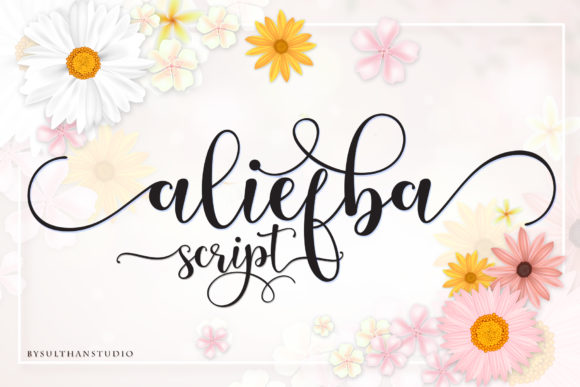
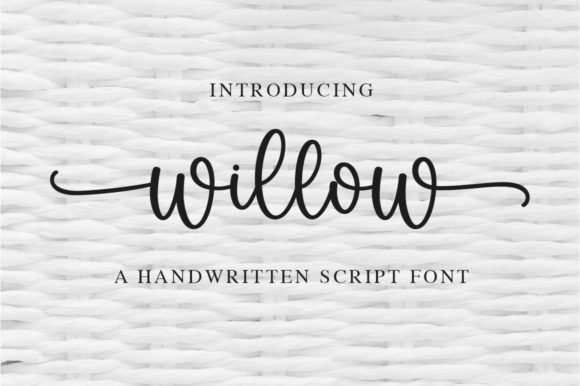
Willow's visual style is best described as delicate and flowing. It has a graceful, almost calligraphic quality without being overly formal. The connections between letters feel organic, creating a sense of movement that guides the eye smoothly across the page or screen. This makes it an excellent creative font for projects that aim to convey warmth, sophistication, or artisanal quality. Think of it as the typographic equivalent of a handwritten note on high-quality paper—personal, yet refined.
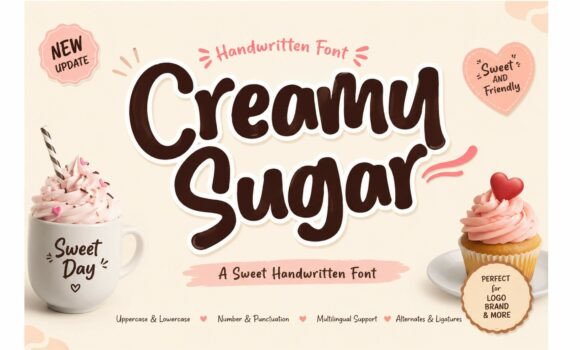
One of Willow's key strengths is its versatility in different contexts. As a display font, it shines in headlines, logos, and short, impactful text blocks. Its elegance naturally draws attention, making it perfect for logo design where you want a brand mark to feel unique and memorable. However, its balanced design also allows it to function in longer settings where a handwritten touch is desired without sacrificing readability. This dual capability makes it a valuable design asset in any creative toolkit.
Where Willow Truly Excels
Understanding where a font like Willow works best is key to using it effectively. In brand identity projects, it can set a tone of approachability and craftsmanship. Imagine a boutique bakery, a wedding planner, or a handmade jewelry brand—Willow could become the visual voice that communicates their core values. For editorial design, such as magazine features or blog headers, it adds a layer of human touch and elegance that standard serif or sans serif font choices might lack.
In the digital realm, Willow is equally at home. It can elevate web design when used for hero section headlines, pull quotes, or call-to-action buttons. On social media graphics, its distinctive character helps posts stand out in crowded feeds, whether for Instagram quotes, Pinterest pins, or Facebook event announcements. For packaging design, it conveys a sense of care and attention to detail, making products feel more premium and thoughtful. The font's ability to adapt across these mediums speaks to its well-considered design.
Practical Guidance for Using Willow
Choosing a font like Willow involves more than just liking how it looks. First, consider your project's overall message. Willow's personality leans toward elegance and warmth, so it may not be the best fit for corporate financial reports or highly technical manuals. It's a commercial font designed for projects where emotional resonance and aesthetic appeal are priorities.
Next, think about font pairing. Willow works beautifully with clean, neutral typefaces. Pairing it with a simple serif font like Times New Roman or a modern sans serif font like Helvetica or Open Sans creates a pleasing contrast. The handwritten style of Willow becomes the focal point, while the supporting font ensures body text remains highly readable. Always test your pairings in context—view them at the actual size they'll be used, both on screen and in print if applicable.
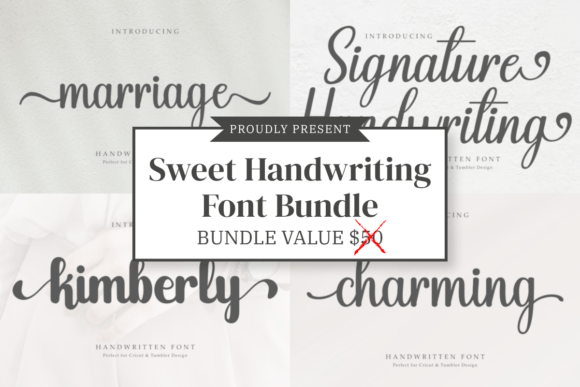
Finally, take advantage of what's included. Willow is PUA encoded, which means all its special characters, swashes, and alternates are easily accessible. This is a significant benefit for designers, as it allows for customization and variation without needing advanced software skills. You can access these glyphs through your operating system's character map or directly in design software that supports OpenType features. This accessibility makes Willow not just a font, but a flexible toolkit for creating unique typographic compositions.
Final Thoughts on Integration
For designers, entrepreneurs, and content creators, a font like Willow is more than just a stylistic choice. It's a strategic tool for visual communication. Its ability to influence brand perception is substantial—the right handwritten font can make a brand feel more relatable, trustworthy, and distinctive. When used consistently across touchpoints, it strengthens brand recognition and builds a cohesive visual language.
Remember that the best modern typography decisions are rooted in purpose. Evaluate Willow based on your specific project needs, audience, and the emotions you wish to evoke. Test it thoroughly, explore its full glyph set, and pair it thoughtfully. Used with intention, Willow can transform a good design into one that truly connects and resonates, proving that sometimes, the most powerful communication is beautifully handwritten.